
Petsign
An application providing a safe and comfortable environment for adopting pets.
01
My role:
Ux researcher, Ui designer
02
Timeline:
Sep 2021 - Apr 2022
03
Tool Used
Figma, Adobe Illustrator
Problem
Lack of a safe and comfortable place for those who lost their pets to find them.Each year, 6.5 million dogs, cats, and other former pets are abandoned or lost and enter shelters. But of all these animals, only 3.2 million are adopted and many see shelters again after less than a year of finding a new home. Deciding to adopt a pet is an enormous responsibility.
One of the common things that usually happens around the world is that sometimes, some people who own pets are no longer able to take care of them and have to give them up. As pets have become a member of the family and even small and vulnerable citizens among humans ,owners need to make sure their pets are safe.
Solution
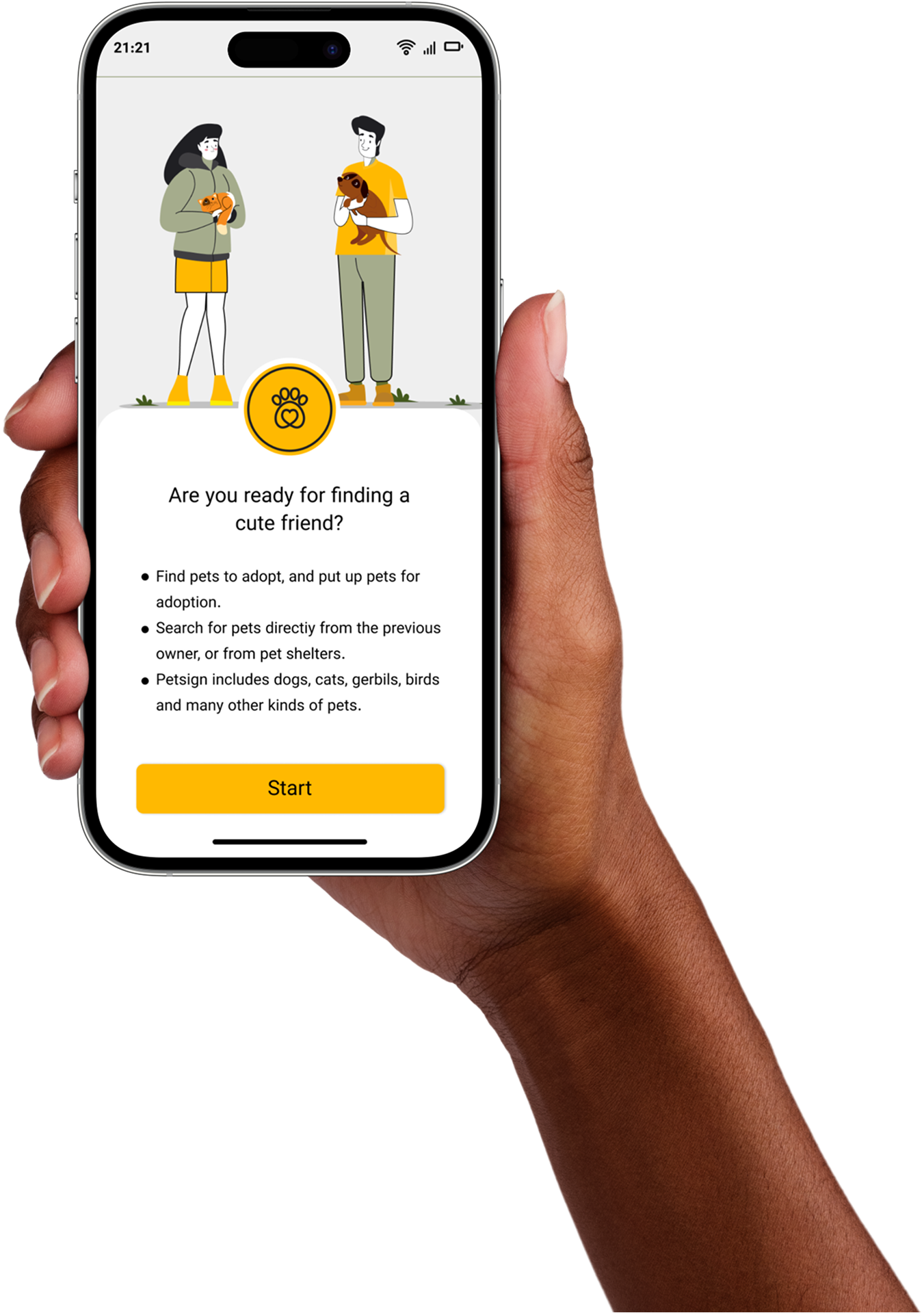
Providing a service that would make the process of adoption and caring for pets easier and more secure by building trust in order to create psychological and mental comfort for both the giving and receiving and guaranteeing the health of the pets from all spectrums
Process
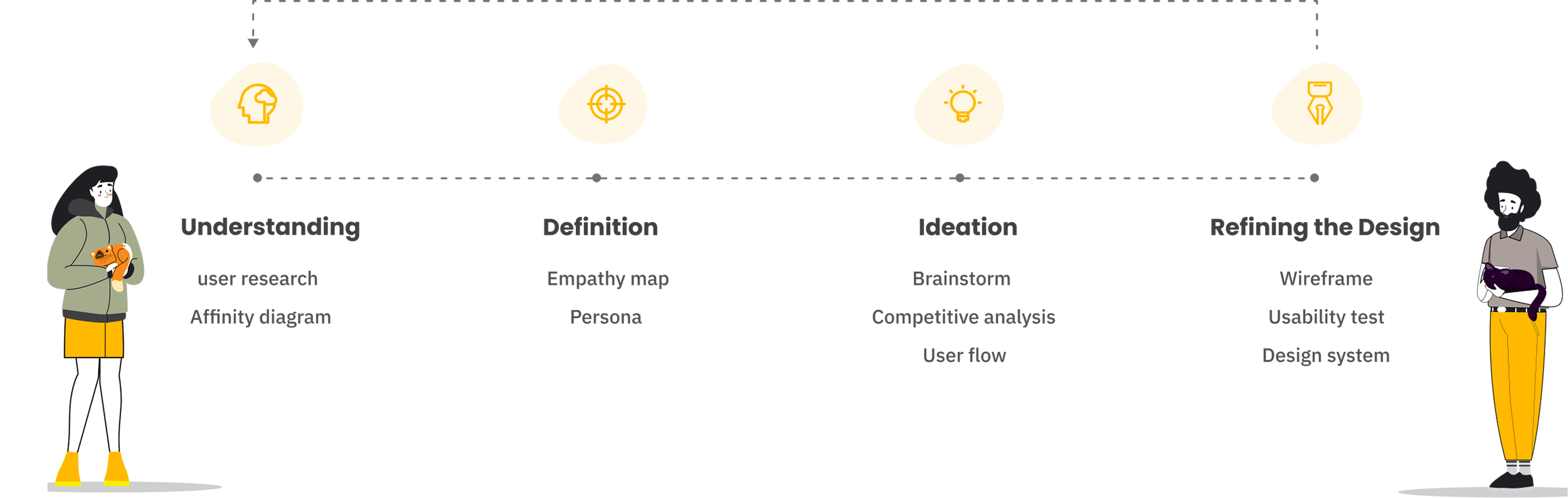
User research
Qualitative research:
We select 5 people who dealt with pets or were concerned in this field and interviewed them.
Quantitative research:
We designed a questionnaire, according to our concern and distributed this questionnaire among 40 people to answer, and then analyze the obtained results and statics.
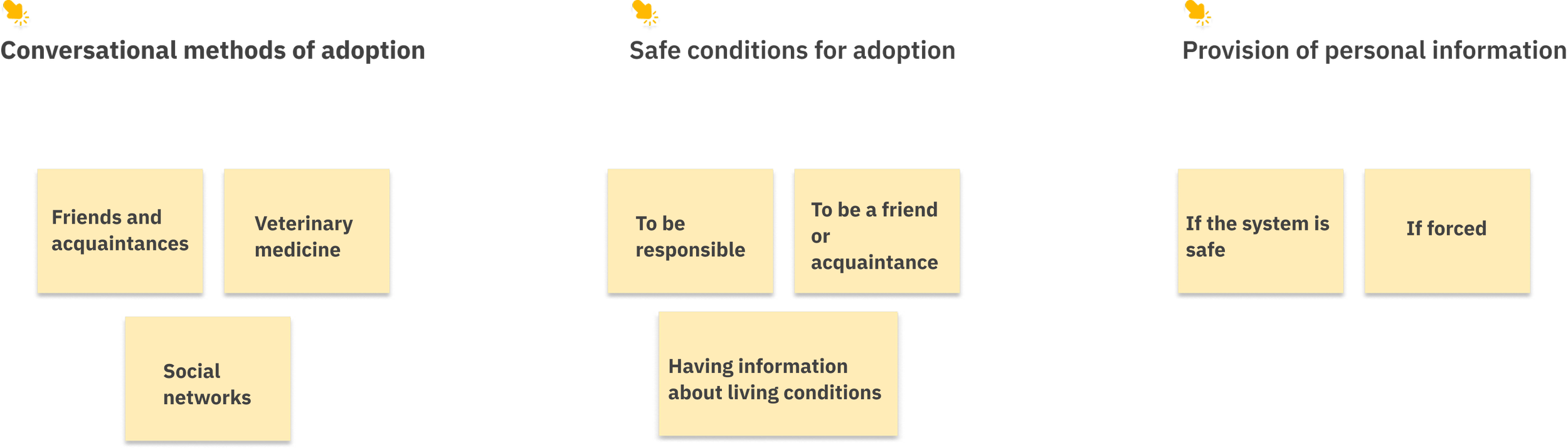
Affinity diagram
In this section, you took notes from the interviews and categorized them to help us gain an insight into our topic.
Empathy map
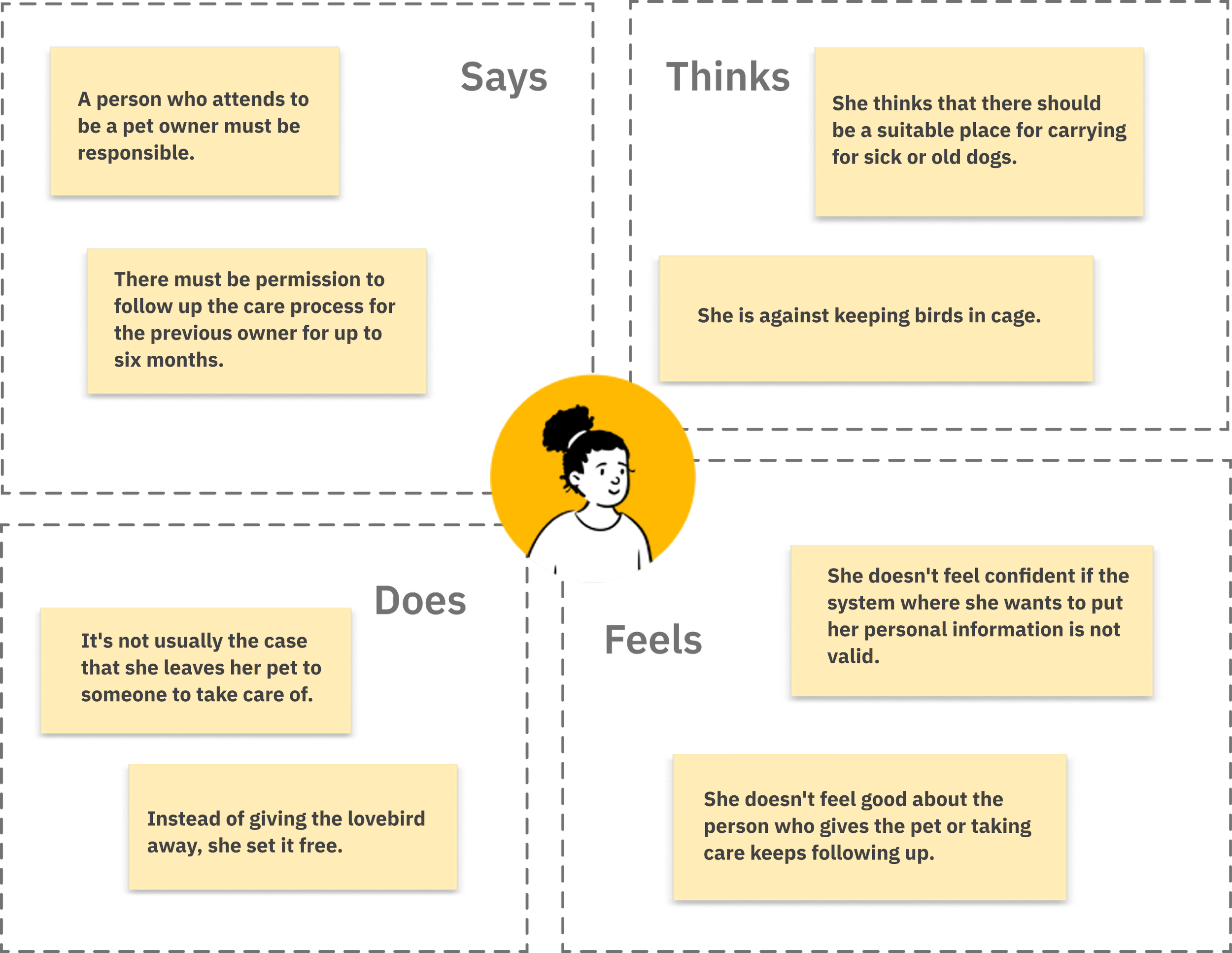
In this section, we put the summary of the in-depth interviews in a classified form, which gives us an inside into our users.
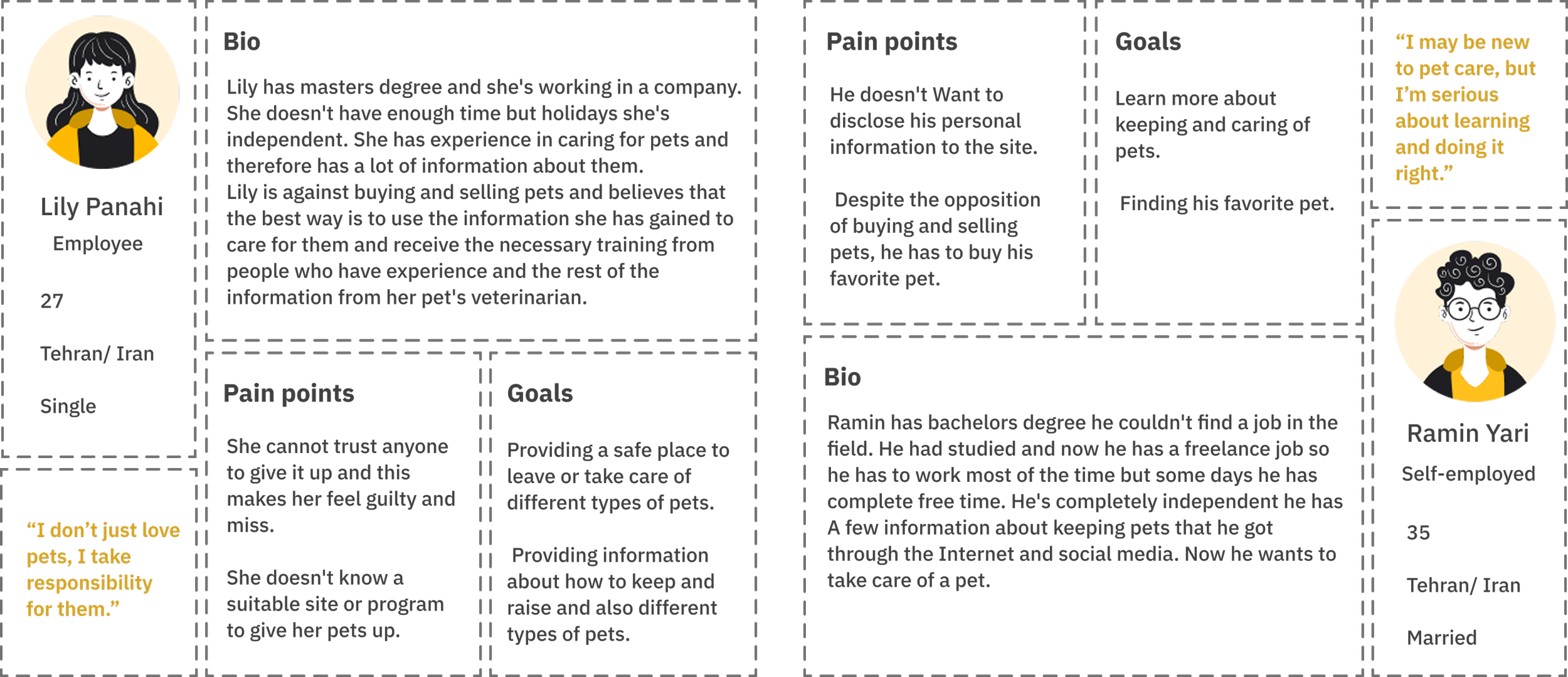
Persona
After summarizing the interviews with designed two persons representing two groups of people whose problems and challenges are in the direction of our work goals.
Brainstorm
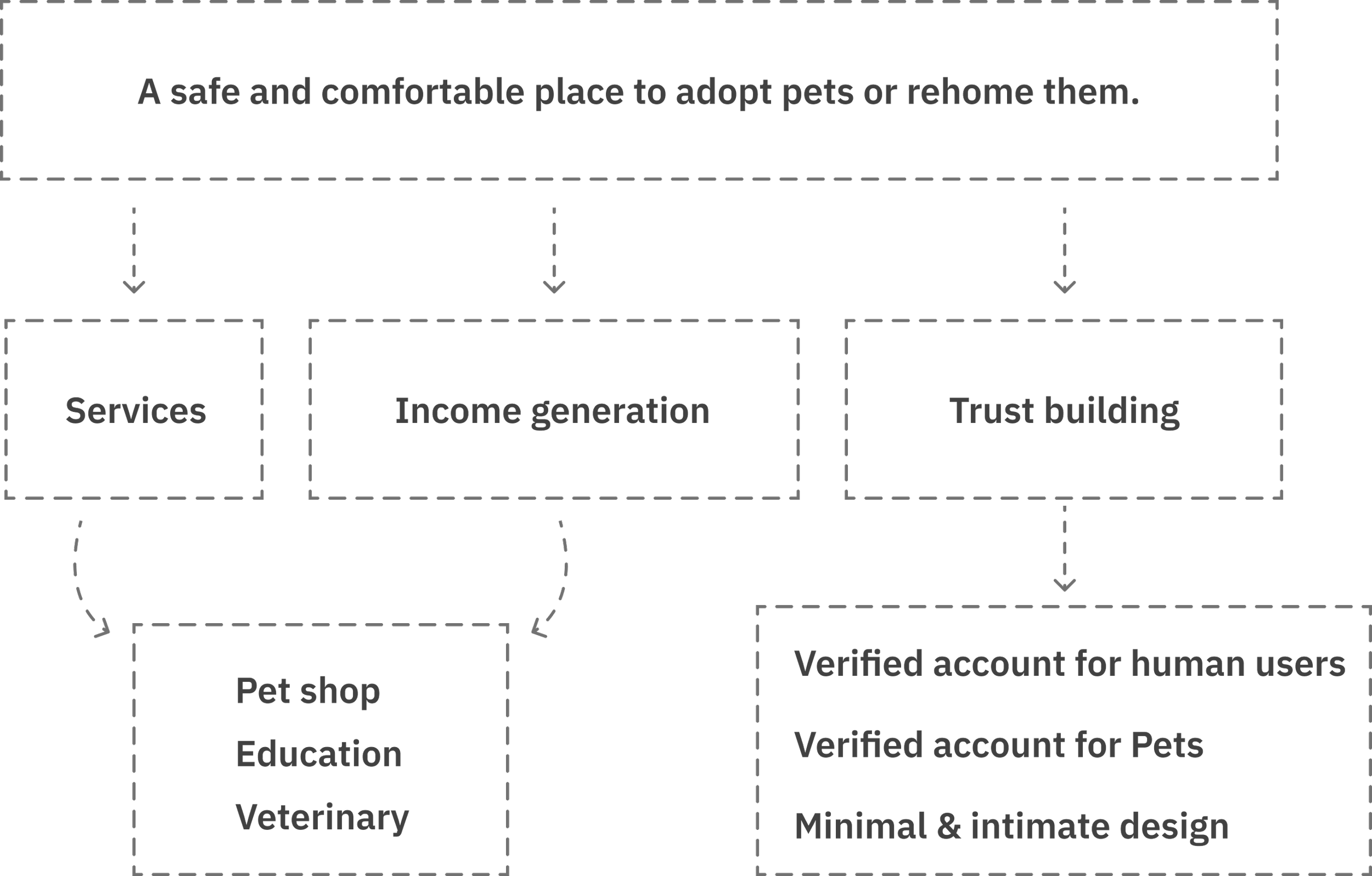
We started a brainstorming session with 4 0f our friends and developed ideas according to the problem and the goal we had, and after brainstorming and sorting them, we reached three main keywords.
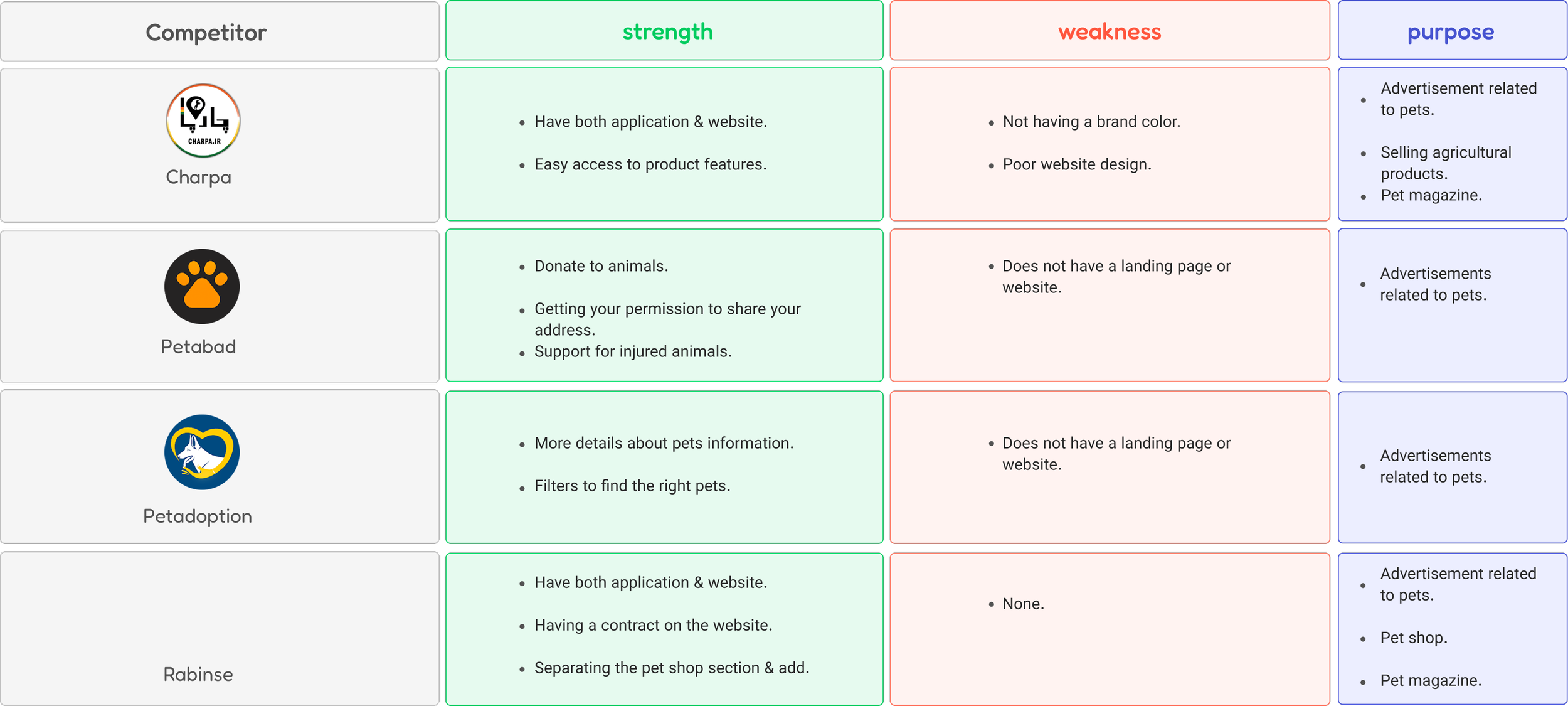
Competitive analysis
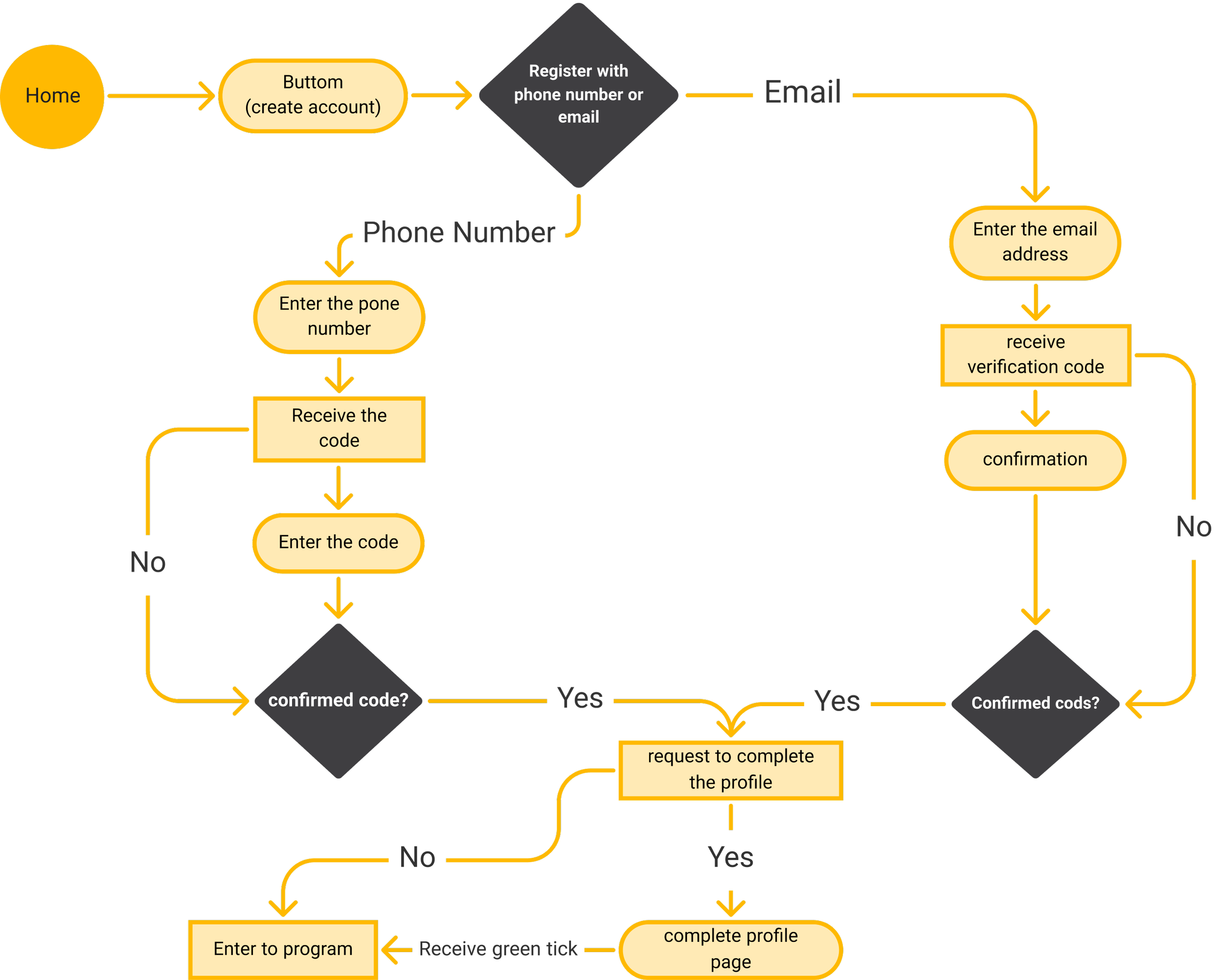
User Flow
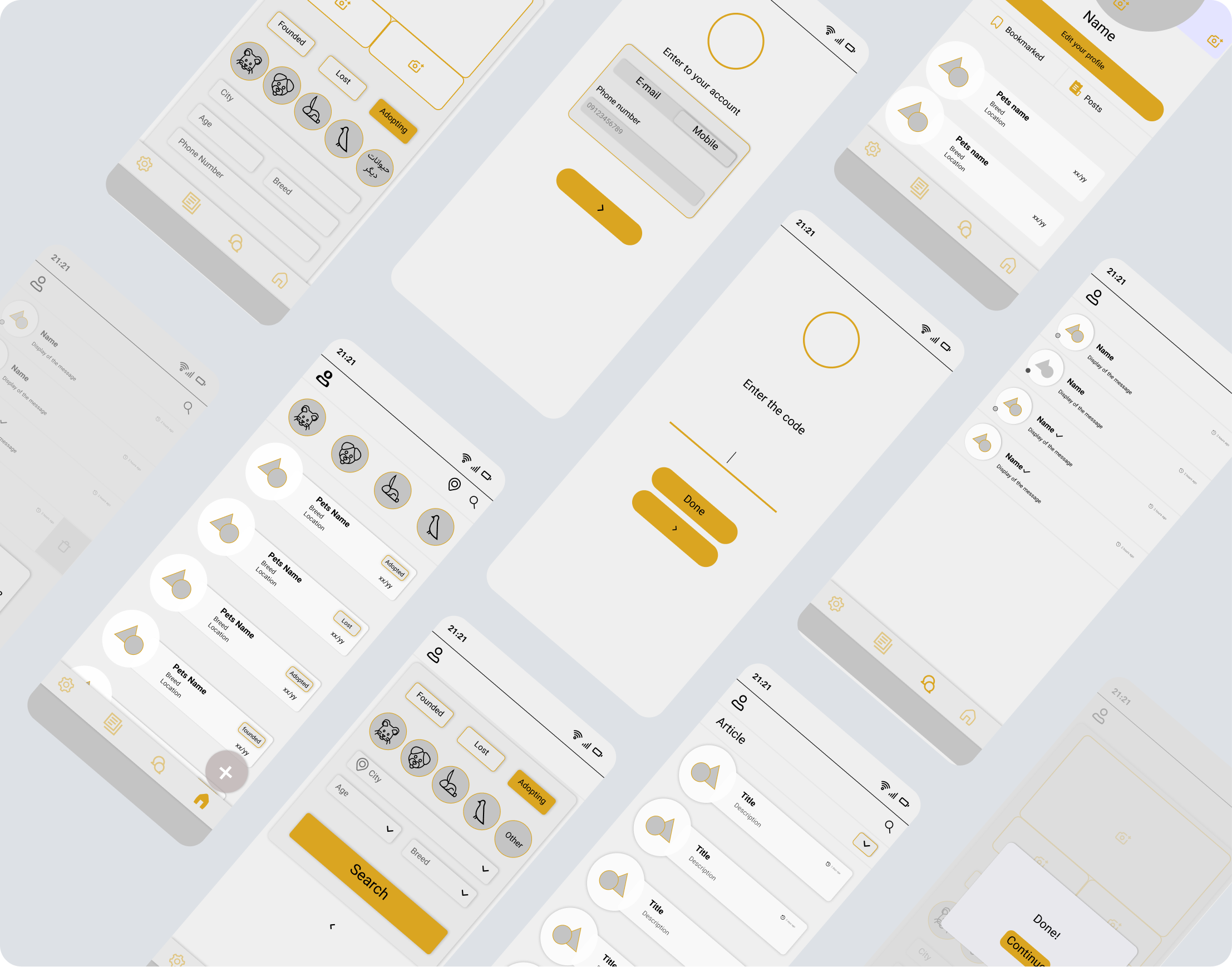
Wireframe Low-Fi
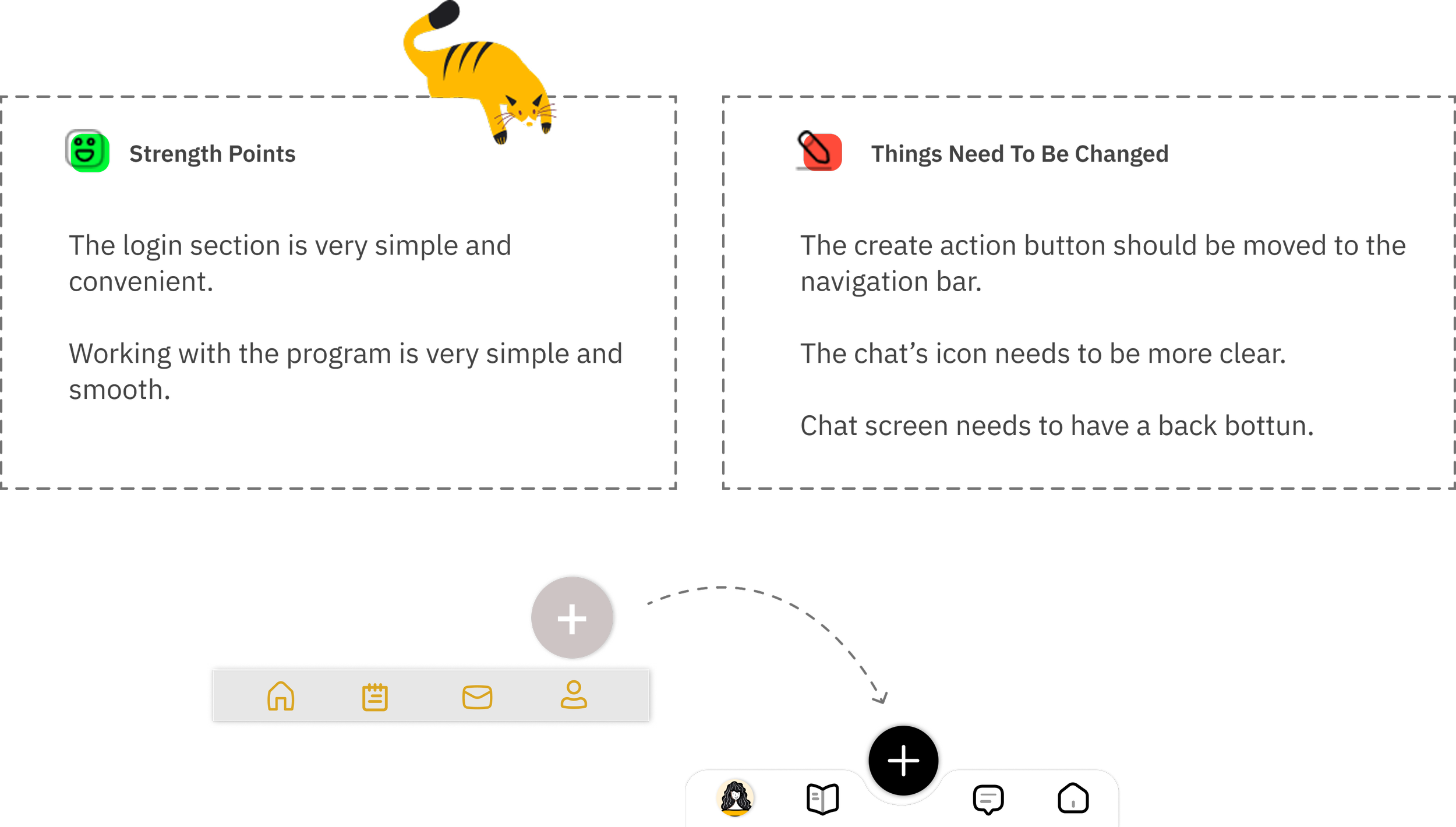
Usability Test
After the initial design of the product, we tested it by 5 people and reached the following results.
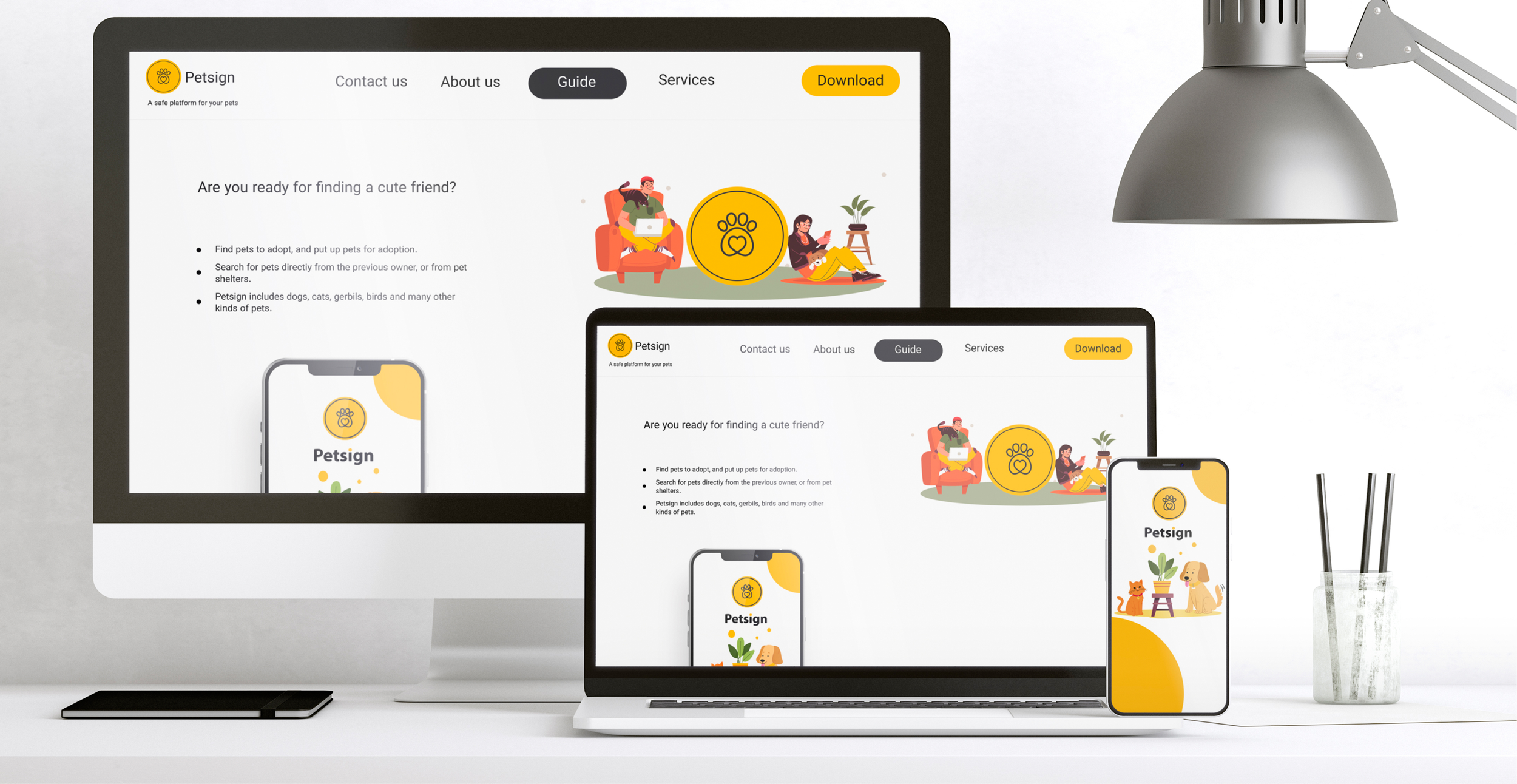
UI Design
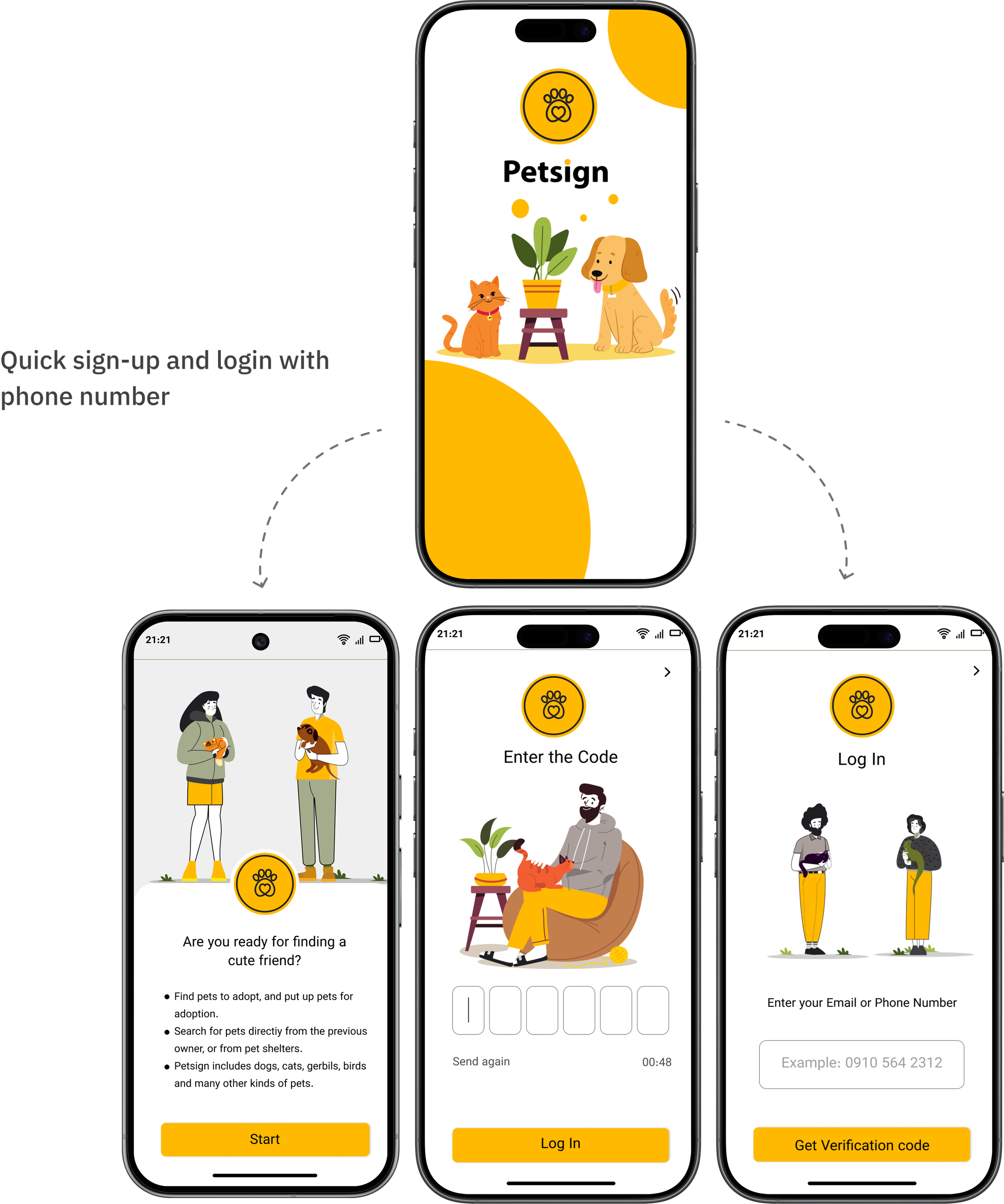
Onboarding
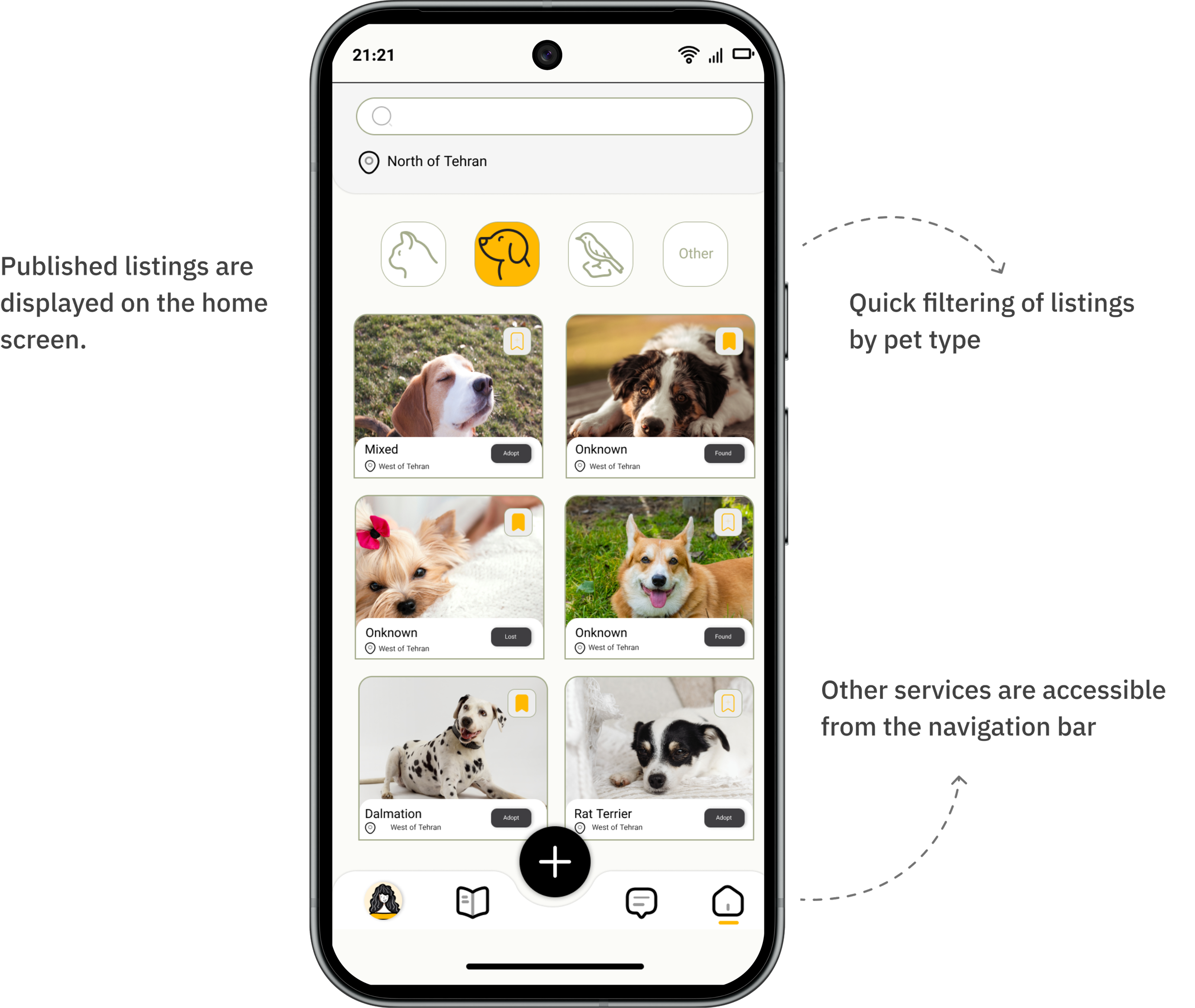
Home Page
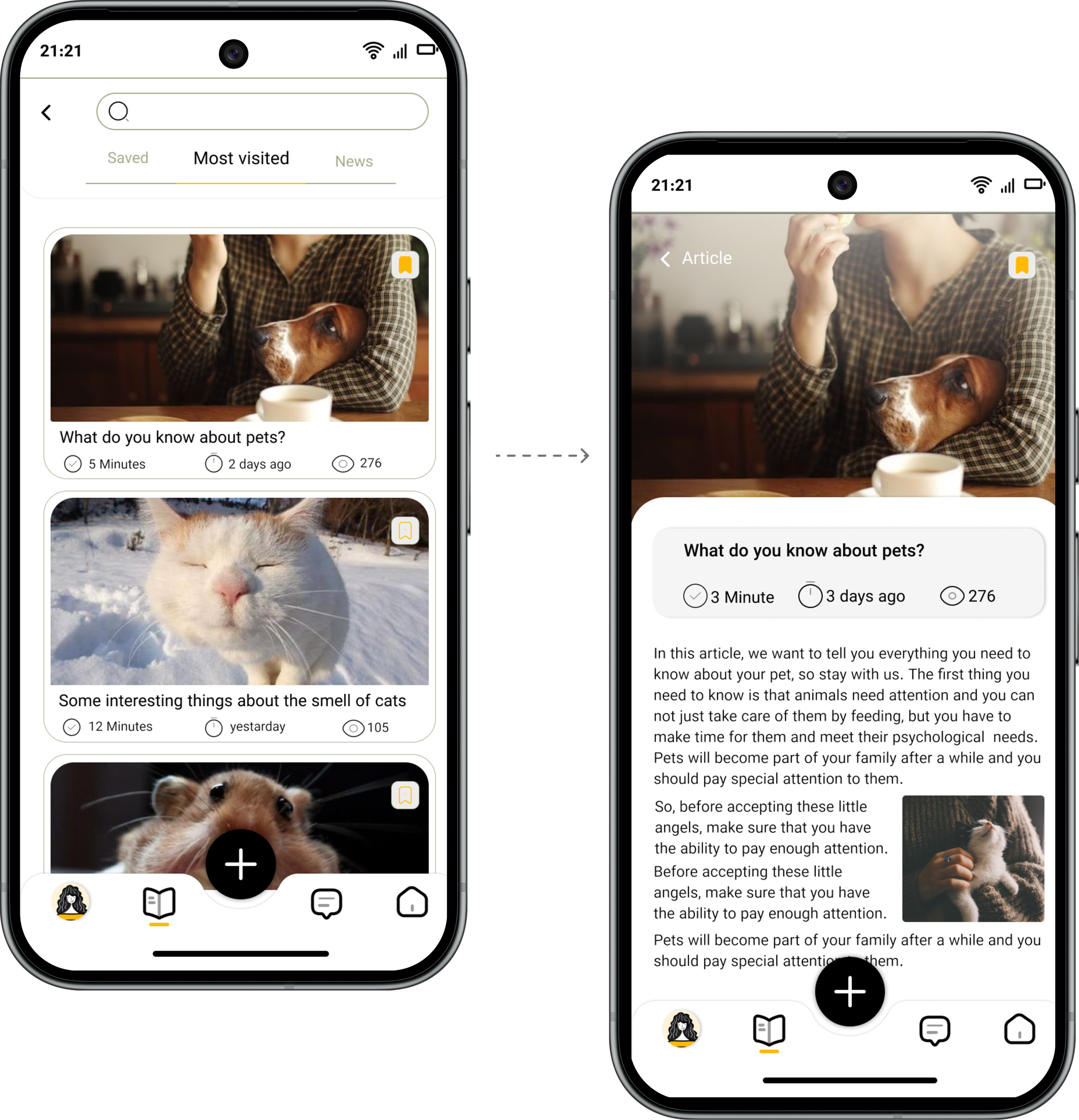
Article
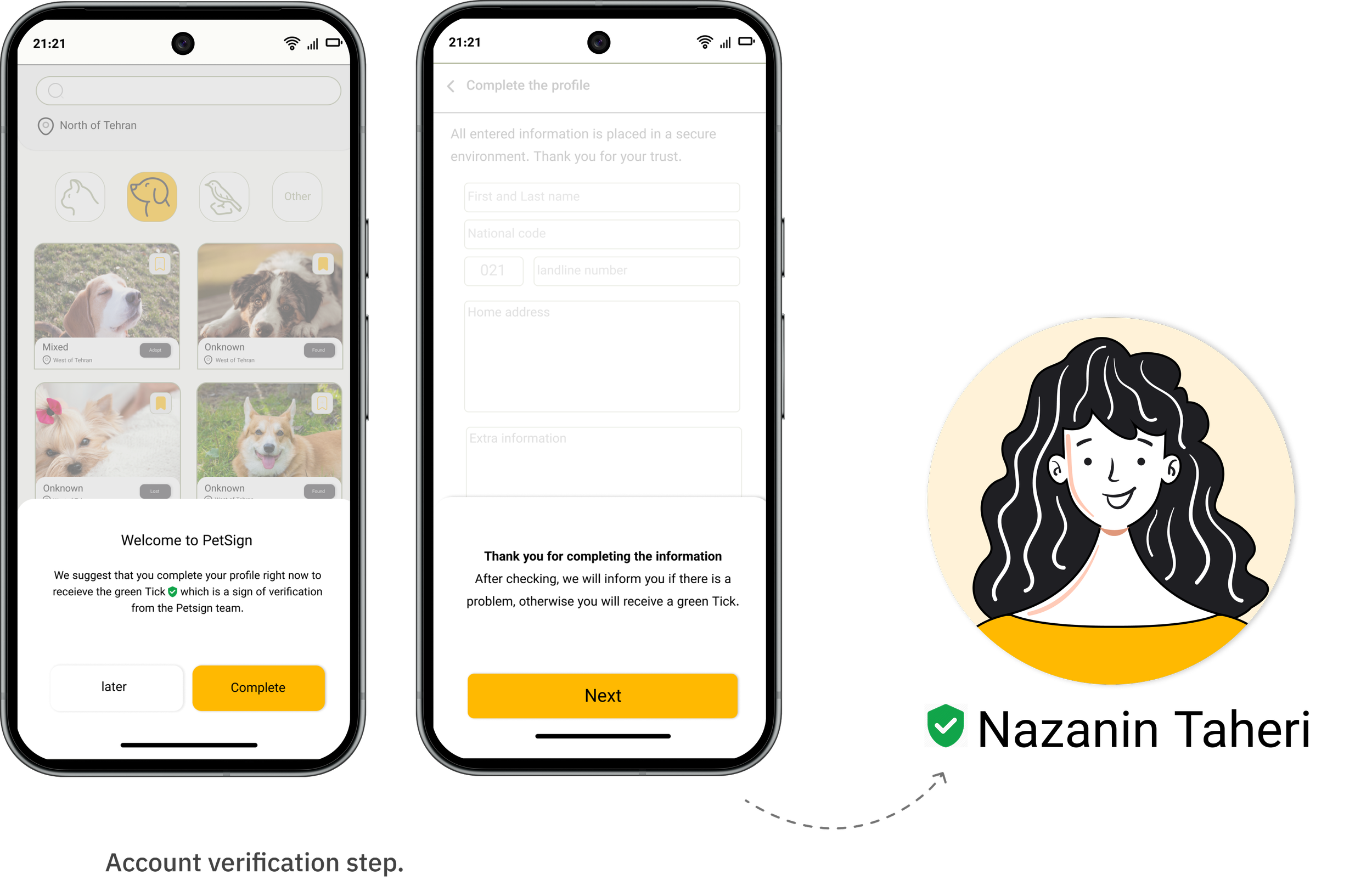
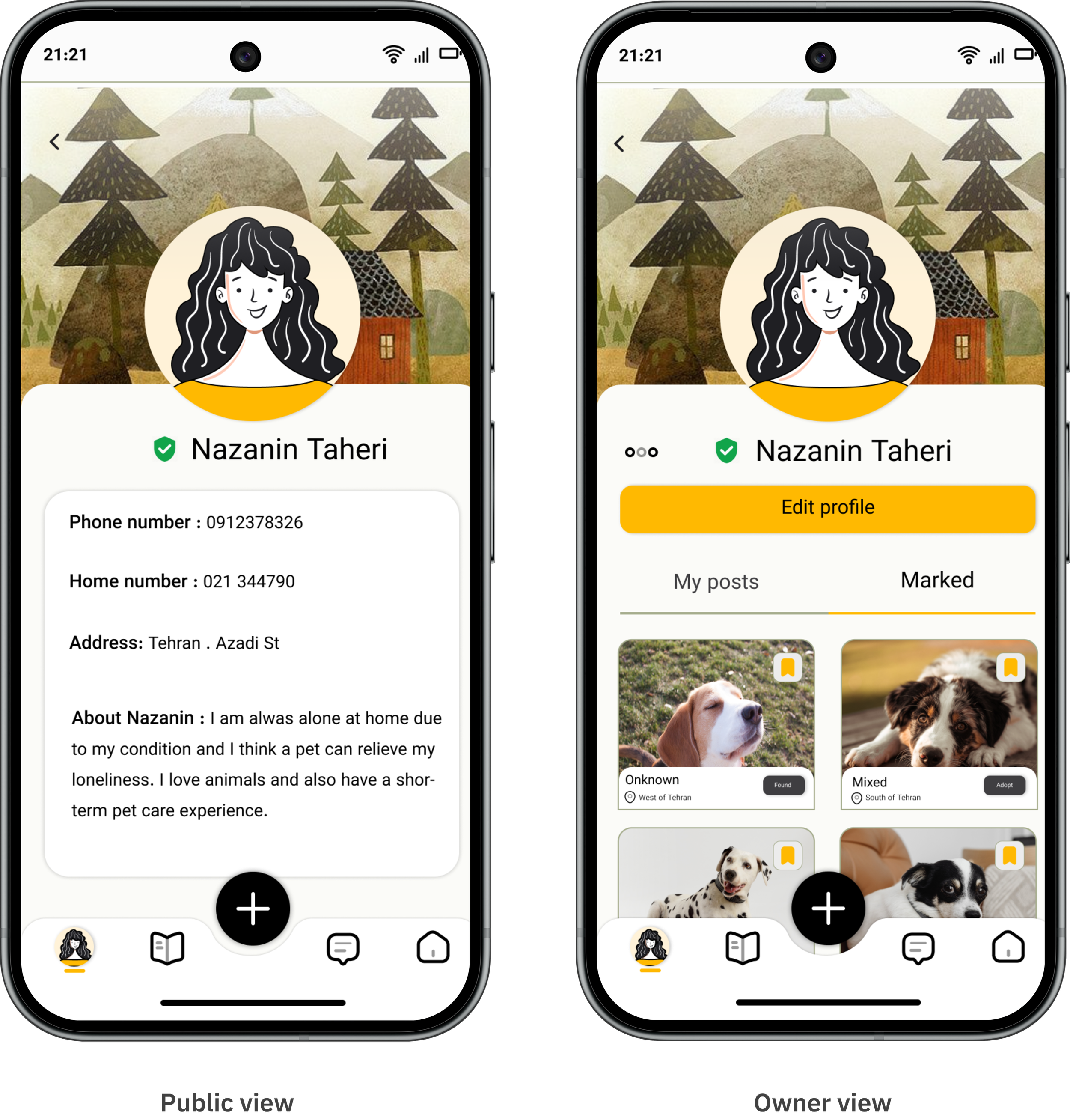
Profile Page
Further Iteration: Introducing Pet Identity Profiles
Following additional rounds of usability testing and stakeholder feedback, we identified the need for an additional service layer within the platform: dedicated identity profiles for each pet.
This feature ensures that every pet rehomed through the platform is assigned a persistent digital identity. By creating individual accounts for pets, the system can track placement history and limit the number of rehoming cycles per animal.
Beyond operational tracking, this decision is rooted in an ethical design perspective. Limiting repeated transfers helps protect the emotional and physical well-being of the pets, reducing stress caused by unstable environments and reinforcing responsible adoption practices.
This iteration strengthens the platform’s long-term impact by aligning system functionality with animal welfare principles.
Output of soft skills & knowledge
This workshop marked my first formal experience in UX and UI design and helped me build a strong foundation in the core principles, tools, and skills of the field.
One of the key strengths of this experience was working in a highly realistic, client-simulated environment. Alongside design knowledge, I practiced essential soft skills such as team collaboration, communication with stakeholders, time management, and delivering project milestones on schedule.